Video games have evolved far beyond being a simple pastime. Today, gaming is at the center of a massive cultural shift, influencing everything from storytelling and interactive experiences to how we consume entertainment.
As games continue to push boundaries, they are transforming traditional entertainment industries like movies, television, and live events. In this blog, I’ll explore how games are shaping the future of entertainment and why they’re becoming an essential part of our cultural landscape.
The Growing Role of Gaming in Entertainment
Gaming has always been a form of entertainment, but now it’s evolving into something much bigger. As more people engage with games, whether through consoles, PCs, or mobile devices, the impact on other entertainment sectors is becoming undeniable. The rise of esports, game adaptations, and immersive storytelling is pushing the boundaries of what we thought was possible in entertainment.
How Video Games Are Shaping Popular Culture
Video games are no longer confined to the niche community of hardcore gamers. With the rise of streaming platforms like Twitch and YouTube, games have become a significant part of mainstream culture.
Popular game titles like Fortnite, League of Legends, and Minecraft are household names, attracting millions of players and viewers around the world. Streaming platforms have not only made games more accessible but also turned gaming personalities into celebrities.
Esports tournaments and gaming live streams are now broadcast in the same way as traditional sporting events, with millions of viewers tuning in to watch their favorite players compete. In fact, esports viewership has exceeded that of some traditional sports, marking a shift in how we engage with entertainment.
Video Game Adaptations: From Screen to Console and Back Again

As the popularity of video games grows, so does their influence on other entertainment industries, particularly film and television. It’s not just about games being adapted into movies or TV shows anymore; the line between gaming and traditional media is increasingly blurred.
1. Game-to-Film/TV Adaptations
In recent years, several video game franchises have made successful transitions to film and television, proving the power of gaming narratives to capture wide audiences. Shows like The Witcher on Netflix and movies like Uncharted have brought game stories to the silver screen, blending the excitement of gaming with the high production values of cinema.
These adaptations have increased mainstream acceptance of gaming, demonstrating how rich game narratives and characters can be translated into larger-than-life experiences. For instance, The Witcher series has introduced a whole new audience to the world of Geralt of Rivia, while the Uncharted movie brought the treasure-hunting action of Nathan Drake to fans worldwide.
2. Interactive Media and Crossovers
What’s even more exciting is the rise of interactive media. Games like Detroit: Become Human and Bandersnatch (a Black Mirror episode on Netflix) offer a unique interactive storytelling experience that is redefining what it means to watch TV. In these experiences, players are able to make choices that shape the outcome of the story, just like they would in a video game.
This is a glimpse into the future of entertainment, where games and movies blur even further, creating a more immersive cross-media experience. By combining elements of both, the entertainment industry is moving toward interactive viewing, where audience members aren’t just spectators, they’re active participants.
Esports and Live Gaming: A New Form of Entertainment
Esports is another powerful example of how gaming is influencing entertainment. As an avid gamer, I’ve seen firsthand how competitive gaming has grown into a global industry, with massive tournaments like The International and the League of Legends World Championship drawing millions of viewers online and in-person.
1. The Rise of Esports as a Mainstream Sport
Esports has evolved into a multi-billion-dollar industry, with teams, coaches, and sponsors, similar to traditional sports leagues. The professionalization of gaming is leading to greater recognition for esports athletes, with some players earning millions in sponsorships and tournament winnings. Additionally, universities are offering scholarships for esports players, further solidifying gaming’s place in the realm of traditional sports.
In fact, many college campuses across the U.S. have adopted esports programs, fostering a new generation of players and fans. Major media outlets are also covering esports events, adding to their legitimacy as an important form of entertainment.
2. Live Streaming and Gaming as Entertainment
The rise of live streaming platforms like Twitch has transformed gaming from a solitary activity into a shared experience. Gamers can now stream their gameplay, interact with viewers in real-time, and build global communities.
Gaming content creators are not just playing games, they’re creating entertainment, engaging with their audiences, and even collaborating with other creators to produce new, dynamic content. Live streaming has expanded the definition of what it means to entertain.
It’s no longer just about playing games, it’s about creating a community and a shared experience with fans across the globe.
The Future: How Games Will Continue to Influence Entertainment
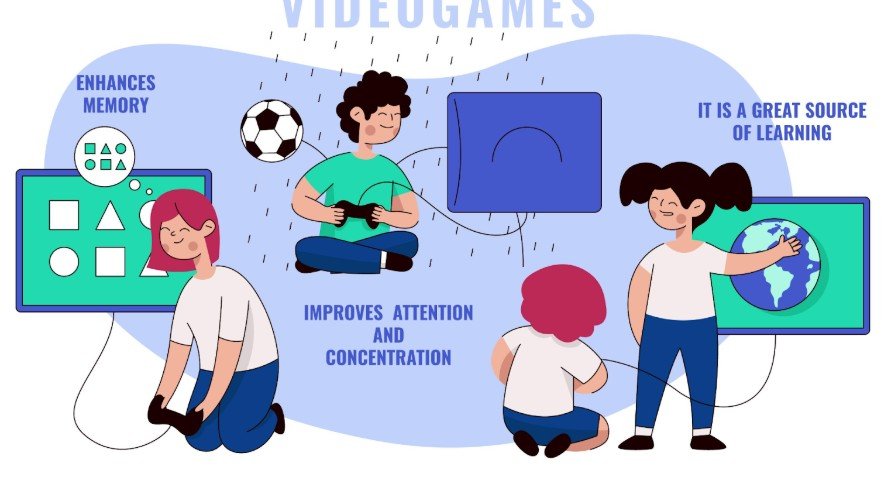
The future of entertainment is undoubtedly interactive, and gaming will play a major role in its development. The lines between gaming, film, television, and live events will continue to blur, leading to new, exciting forms of entertainment. We’re already seeing the rise of virtual reality (VR) and augmented reality (AR), which are changing how we experience games.
As these technologies evolve, we’ll likely see new forms of storytelling that allow us to immerse ourselves in virtual worlds like never before. Imagine watching a movie in a virtual reality environment, where you’re not just watching the story unfold you’re a part of it. Additionally, as cloud gaming continues to grow, gaming will become more accessible to a wider audience.
Services like Google Stadia and Xbox Cloud Gaming are already making it possible to play high-quality games on any device with an internet connection. This accessibility will further integrate gaming into the mainstream and make it an even more prominent part of entertainment culture.
Frequently Asked Questions (FAQs)
1. How are video games influencing the entertainment industry?
Video games are influencing entertainment by shaping storytelling in film and TV, popularizing esports, and introducing interactive media experiences. These elements are redefining traditional entertainment formats.
2. What are interactive media and how do they combine gaming and TV?
Interactive media combines gaming and traditional TV by allowing the audience to make choices that affect the story. Games like Detroit: Become Human and Netflix’s Bandersnatch offer an immersive experience where the viewer becomes an active participant.
3. Why is esports considered a mainstream sport now?
Esports has gained mainstream recognition due to its global appeal, professionalization, and large-scale tournaments that attract millions of viewers. Esports athletes are now earning lucrative sponsorships and gaining recognition similar to traditional sports figures.
4. What will the future of entertainment look like with games?
The future of entertainment will likely see more cross-media experiences, where games, films, and TV shows converge. Technologies like VR and AR will also make entertainment more immersive, and cloud gaming will increase accessibility, bringing new types of content to a wider audience.
Final Words
Video games are not just a form of entertainment, they’re driving a revolution in how we experience all types of media. From shaping interactive storytelling to making esports a mainstream sport, games are increasingly influencing the future of entertainment.
As we continue to explore virtual reality, cloud gaming, and other immersive technologies, the line between games and traditional entertainment will keep getting blurrier, paving the way for exciting new experiences for all of us.

Ryo Nakamura
View More PostsRyo Nakamura covers gaming news, updates, and industry trends. His writing keeps the community informed about new releases, patches, and competitive shifts, offering clear context and insight into how changes impact gameplay and the broader gaming landscape.