Mobile gaming has quickly evolved from a niche market to a dominant force in the global gaming industry. As smartphones and mobile devices have become increasingly powerful, mobile games have gained widespread appeal, reshaping how millions of people around the world experience gaming.
In this blog, I’ll explore the key factors that have contributed to mobile gaming’s massive growth, how it’s impacting the gaming industry, and what the future holds for mobile games.
The Rapid Rise of Mobile Gaming
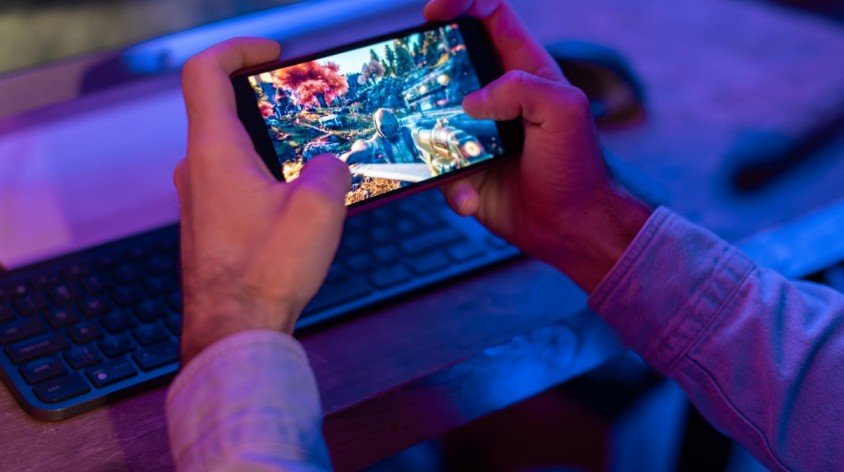
Mobile gaming’s rise to prominence has been nothing short of revolutionary. According to recent data, mobile gaming now makes up over 50% of global gaming revenue, outpacing both PC and console gaming combined. But what’s behind this shift?
Affordable Access to Gaming on Smartphones
The primary factor driving the growth of mobile gaming is accessibility. Everyone has a smartphone, and with them comes an entire library of games. Unlike consoles or gaming PCs, mobile gaming doesn’t require a significant financial investment. Whether it’s a free-to-play game or a premium title, the entry cost for mobile gaming is lower than ever.
Furthermore, the global smartphone penetration has skyrocketed. As more people in emerging markets get their hands on smartphones, mobile gaming reaches new audiences that previously had limited access to console or PC gaming.
Technological Advancements in Mobile Devices
Another key factor is the advancement in mobile technology. Smartphones are no longer just communication devices, they’re now powerful gaming machines. Thanks to faster processors, improved graphics capabilities, and increased storage, mobile phones can run high-quality games that were once reserved for consoles and PCs.
This has allowed for immersive gaming experiences on the go, making it easy for players to enjoy AAA-quality games anytime, anywhere.
The Growth of Mobile Gaming Communities
Mobile gaming has also nurtured global communities. Games like Clash Royale and PUBG Mobile bring people together across borders, creating a sense of community.
Mobile games often have robust social features like live chat, leaderboards, and multiplayer modes, allowing players to interact, compete, and collaborate with others worldwide.
How Mobile Gaming is Reshaping the Global Gaming Industry
The growth of mobile gaming is having a profound impact on the global gaming industry. Let’s dive into the specific ways mobile gaming is reshaping this landscape.
1. The Shift Toward Mobile-First Gaming Markets
Mobile gaming is starting to dominate traditional markets. In places like China, India, and Latin America, mobile gaming is far more popular than console or PC gaming. In fact, mobile gaming is projected to drive the majority of the gaming industry’s growth in these regions. The affordability and convenience of mobile gaming make it the preferred platform for new players.
What does this mean for traditional gaming giants? They’re increasingly pivoting towards mobile-first strategies. Console makers like Sony and Microsoft are working on mobile gaming services like Xbox Cloud Gaming, offering players the flexibility to play on any device.
2. Mobile Games Are Driving Innovation
Mobile gaming is fostering innovation in game design and monetization strategies. Games like Fortnite and Candy Crush Saga have introduced new ways of engaging players, offering live events, in-app purchases, and seasonal content updates.
These innovations have not only reshaped the way games are made but also the way studios approach game marketing.
Additionally, augmented reality (AR) and virtual reality (VR) are slowly making their way into mobile games, offering players unique, interactive experiences that were once impossible on mobile devices. With apps like Pokémon GO showing the power of AR, the future of mobile gaming looks incredibly exciting.
3. A New Era of Game Monetization
The traditional pay-to-play model has given way to freemium models that rely on in-app purchases, advertising, and subscription services. Many of the most popular mobile games are free to download but offer microtransactions that allow players to purchase virtual goods, cosmetics, and game boosters.
This model has been incredibly successful, and it has reshaped the industry by creating ongoing revenue streams from free-to-play games.
4. Mobile Gaming and Esports: A Growing Intersection
Esports is no longer confined to PC or console gaming. Mobile esports is emerging as a major force, with tournaments for mobile games like Clash Royale, Mobile Legends, and PUBG Mobile offering millions of dollars in prize money.
The accessibility of mobile gaming has democratized esports, allowing players from different backgrounds and regions to compete in high-stakes tournaments.
The Future of Mobile Gaming
Mobile gaming is far from slowing down. In fact, we’re just scratching the surface of its potential. Here are some trends to watch for in the coming years:
1. 5G and Cloud Gaming Will Revolutionize Mobile Gaming
With 5G technology becoming more widely available, the future of mobile gaming looks incredibly bright. 5G networks will provide faster internet speeds, allowing for lag-free gaming and better cloud gaming experiences. Players will be able to stream high-quality games directly to their mobile devices without the need for high-end hardware.
2. Cross-Platform Play Is Becoming the Norm
Mobile games are increasingly adopting cross-platform play, allowing players on mobile devices to play alongside those on consoles or PCs. This will continue to blur the lines between gaming platforms and create more inclusive gaming communities.
3. AR and VR Integration Will Increase
As AR and VR technologies continue to improve, we can expect mobile games to integrate these features in more immersive ways. This will likely bring about a new wave of innovative gameplay that combines the real world with virtual experiences.
Frequently Asked Questions (FAQs)
1. What is the biggest factor behind mobile gaming’s success?
The biggest factor is accessibility. With billions of smartphones worldwide, mobile games are easy to access and affordable for players of all ages and backgrounds.
2. How is mobile gaming impacting traditional gaming platforms?
Mobile gaming is driving growth in emerging markets and pushing traditional game studios to develop mobile versions of their games. Companies like Microsoft and Sony are adapting to this shift with cloud gaming services.
3. What role do microtransactions play in mobile gaming?
Microtransactions allow developers to generate continuous revenue by offering players optional in-game purchases, which are essential for free-to-play models.
4. Will mobile gaming continue to grow in the future?
Absolutely! With 5G technology, cloud gaming, and AR/VR developments, mobile gaming is poised for continued growth and innovation in the coming years.
Final Thoughts
Mobile gaming is no longer a small segment of the industry; it is the future of gaming. With its global reach, innovative monetization models, and the growing intersection with esports, mobile gaming is reshaping how players experience games worldwide. Whether you’re a casual gamer or a developer looking to tap into this booming market, it’s clear that mobile gaming is here to stay.

Ryo Nakamura
View More PostsRyo Nakamura covers gaming news, updates, and industry trends. His writing keeps the community informed about new releases, patches, and competitive shifts, offering clear context and insight into how changes impact gameplay and the broader gaming landscape.