Lacing up your skates for the first time or you’ve been thinking about taking your game to the next level, hockey training is crucial for building the skills and confidence you need. As someone who’s been through the beginner stages, I can tell you that the right training, mindset, and dedication will make all the difference.
In this blog, I’ll break down the essential skills every beginner needs to learn, the best drills to practice, and tips to help you stay motivated as you progress. Whether you’re focused on skating, stickhandling, or just learning the basics, I’ve got you covered.
Understanding the Basics: What Every Beginner Needs to Know
Before we jump into drills and tips, it’s important to understand the basics of hockey. This knowledge will not only improve your game but also give you the confidence to play with more purpose.
Key Areas to Focus On as a Beginner:
- Skating: The foundation of all hockey skills. Good skating technique is essential for speed and balance on the ice.
- Stickhandling: Mastering control of the puck while skating is key to being effective in both offense and defense.
- Passing and Shooting: Developing a solid understanding of passing and shooting mechanics will help you contribute to your team
Hockey Skating – Foundation of the Game
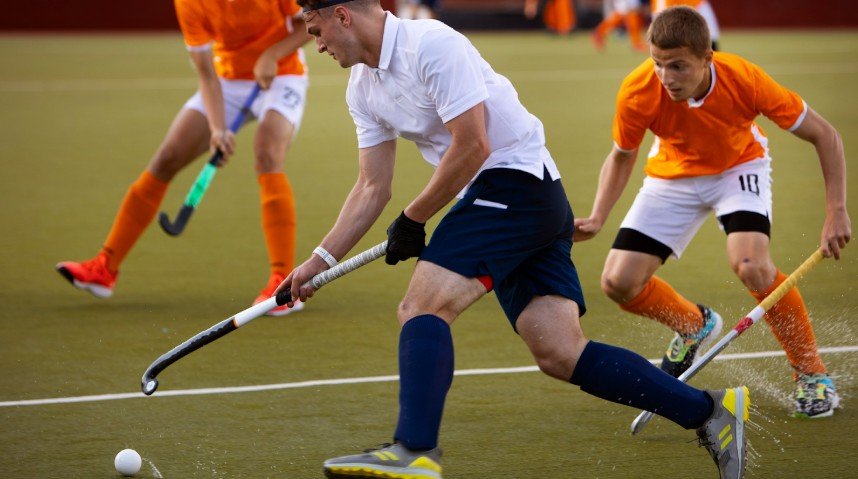
Skating is the most important skill in hockey, and for beginners, it’s where you should start. Without good skating technique, it’s hard to play the game at a competitive level.
Skating Drills for Beginners:
1. Basic Glide Drill
- Purpose: Build balance and basic control.
- How to Do It: Start by gliding on one skate at a time, pushing off with the other. Practice using both legs to glide back and forth across the rink. This will help improve your balance and posture.
2. Crossover Drill
- Purpose: Master lateral movement and speed.
- How to Do It: Cross one skate over the other as you move in a circle. This drill helps with quick turns and enhances your ability to change direction.
3. Stop-and-Go Drill
- Purpose: Improve stopping and starting quickly.
- How to Do It: Glide forward, then stop abruptly by digging your inside edge into the ice, and immediately start again in the other direction. This drill improves quick acceleration and control.
Stickhandling – Control the Puck Like a Pro
Once you’ve gotten the basics of skating down, it’s time to start working on your stickhandling. Learning to control the puck while skating will set you apart as a player. Here are a few drills to help you improve your puck control:
Stickhandling Drills for Beginners:
1. Puck Taps Drill
- Purpose: Build confidence in controlling the puck.
- How to Do It: While standing still, tap the puck from side to side using the inside and outside edges of your stick. Keep the puck close to your body to improve control.
2. Figure 8 Drill
- Purpose: Improve control and agility.
- How to Do It: Place two cones or markers on the ice and dribble the puck in a figure 8 around them. Focus on keeping the puck close and using quick, controlled movements.
3. One-Handed Stickhandling Drill
- Purpose: Increase puck control and coordination.
- How to Do It: Practice controlling the puck with just one hand on the stick. This drill helps you get comfortable with handling the puck when you’re not able to use both hands.
Passing and Shooting – Essential Skills
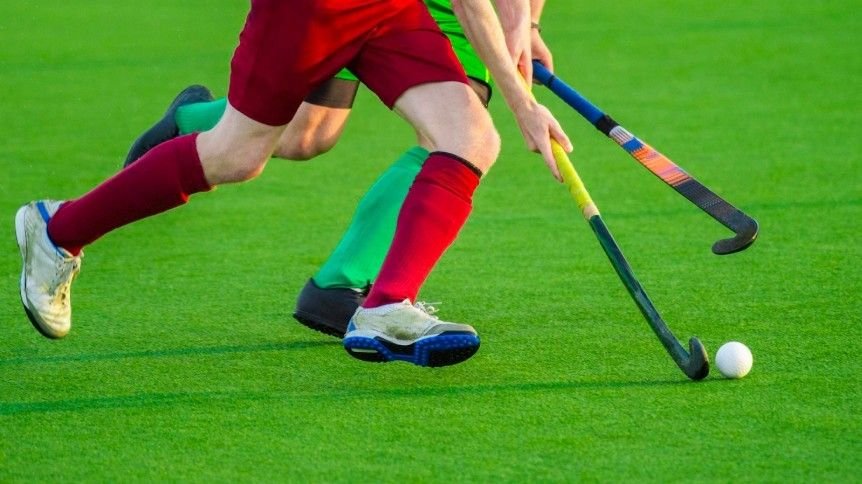
As you advance, you’ll need to develop your passing and shooting skills. Being able to accurately pass the puck to teammates and take well-timed shots on goal is crucial for success on the ice.
Passing Drills for Beginners:
1. Wall Passing Drill
- Purpose: Improve passing accuracy.
- How to Do It: Stand about 10 feet from a wall and pass the puck against it, practicing your forehand and backhand passes. This drill helps develop accuracy and control.
2. Partner Passing
- Purpose: Work on passing to a moving target.
- How to Do It: Pair up with a teammate or friend and pass the puck back and forth while both of you move around. Focus on leading your partner with the puck, so they don’t have to stop to receive it.
Shooting Drills for Beginners:
1. Wrist Shot Drill
- Purpose: Master the wrist shot.
- How to Do It: Stand a few feet from the net and practice wrist shots. Focus on using your wrists and follow through for power and accuracy.
2. One-Timer Drill
- Purpose: Practice shooting on the fly.
- How to Do It: Have a teammate pass you the puck while you’re in a shooting position. Try to take a quick one-timer shot without stopping the puck, which is a valuable skill in fast-paced game situations.
Staying Motivated and Consistent
Hockey can be challenging for beginners, but consistency is key. Here are a few tips for staying motivated as you improve:
1. Set Achievable Goals
Start by setting small, manageable goals like improving your skating speed or mastering a specific drill. Gradually increase the difficulty as you improve.
2. Practice Regularly
Hockey requires constant practice, especially when you’re just starting out. Try to get on the ice at least two or three times a week to make steady progress.
3. Join a League or Group
Once you’ve gained some confidence, consider joining a local league or practice group. Playing with others will help you develop your skills faster and improve your understanding of the game.
Frequently Asked Questions (FAQs)
1. How can I get better at hockey as a beginner?
To get better at hockey, focus on mastering the basics: skating, stickhandling, and shooting. Regular practice and repetition are key to improving your skills. Consistent drills and setting small, achievable goals will help you progress.
2. What are the best drills for beginner hockey players?
The best drills for beginners include basic skating drills (like gliding and crossovers), stickhandling drills (like the figure 8 and puck taps), and passing drills (like wall passing and partner passing). These will improve your control and agility.
3. How can I improve my hockey skills at home?
You can practice stickhandling at home with a ball or puck on smooth surfaces, do off-ice conditioning to build strength and endurance, and even watch game footage to better understand positioning and tactics.
4. How long does it take to get good at hockey?
The time it takes to get good at hockey depends on how much you practice and how quickly you improve the key skills. With consistent practice, you should see noticeable improvements within a few months.
Final Words
Training as a beginner can feel overwhelming, but with the right focus, practice, and mindset, you’ll be skating and handling the puck like a pro in no time. Remember to work on your skating, stickhandling, and passing, and always challenge yourself with new drills. Consistency is key, so keep practicing, stay motivated, and enjoy the game!
Hockey is a fun and fast-paced sport that requires dedication, but with these drills and tips, you’ll be well on your way to becoming a skilled player. Get out there and start your journey!

Ryo Nakamura
View More PostsRyo Nakamura covers gaming news, updates, and industry trends. His writing keeps the community informed about new releases, patches, and competitive shifts, offering clear context and insight into how changes impact gameplay and the broader gaming landscape.