A well-designed backyard should be more than just visually appealing—it should also provide a safe, comfortable, and practical environment for everyday use.
Whether you enjoy entertaining guests, spending time with family, or simply relaxing outdoors, thoughtful planning can help you maximize your space while minimizing potential hazards. By balancing aesthetics, functionality, and safety, homeowners can create an outdoor retreat that serves their needs throughout every season.
Start With A Comprehensive Site Assessment
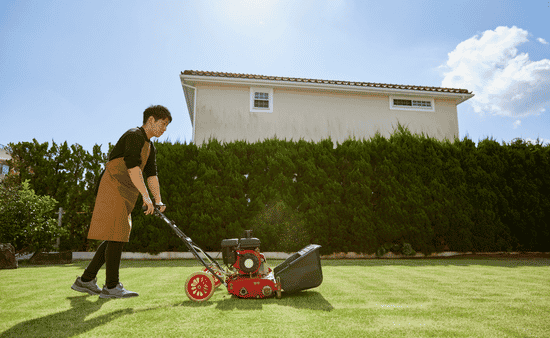
Every successful backyard design begins with understanding the existing conditions of the property. Evaluating the landscape before making changes helps identify opportunities and challenges that may affect the final layout.
Evaluate Terrain And Drainage
The shape and slope of your yard influence how water moves across the property. Low spots that collect water can create muddy areas, damage plants, and increase safety risks. Assessing drainage patterns early allows you to address issues before installing new features.
Identify Existing Hazards
Walk through the backyard and look for potential concerns such as uneven ground, exposed roots, damaged fencing, or unstable structures. Addressing these issues during the planning phase can prevent accidents and reduce future maintenance requirements.
Consider Sun And Shade Patterns
Understanding how sunlight moves across your yard helps determine the best locations for seating areas, gardens, play spaces, and other outdoor features. Areas with excessive sun exposure may require shade solutions, while heavily shaded sections may influence plant selection.
A thorough site assessment provides the foundation for creating a backyard that is both attractive and practical.
Create Functional Zones For Different Activities
A functional backyard is designed with purpose. Dividing the space into dedicated zones helps improve organization and ensures each area serves a specific role.
Entertainment Areas
Outdoor gathering spaces should be easily accessible from the home and offer sufficient room for seating, dining, and social activities. Durable surfaces and clear pathways help improve comfort and safety for guests.
Family And Recreation Spaces
Families with children or active lifestyles often benefit from designated recreation zones. Open lawn areas, play spaces, and activity zones allow everyone to enjoy the yard while minimizing conflicts between different uses.
Relaxation Retreats
Quiet areas designed for relaxation can create a peaceful atmosphere within the backyard. Comfortable seating, privacy features, and thoughtful landscaping help establish a calming environment away from daily distractions.
For many homeowners, one of the clear Signs You Are Ready to Add a Pool to Your Home is a desire to create a personal retreat where family and friends can relax, exercise, and enjoy outdoor living. Thoughtfully incorporating a pool into the overall design can enhance both recreation and relaxation while complementing the backyard’s existing features.
Clearly defining these zones allows homeowners to maximize the usefulness of their outdoor space while maintaining a cohesive design.
Prioritize Safe Pathways And Accessibility
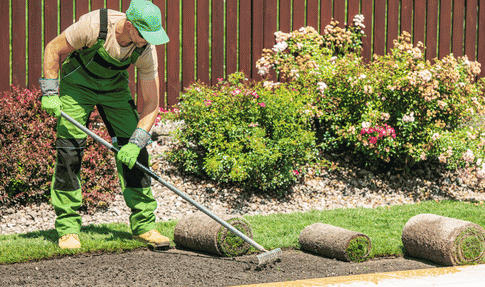
Safe movement throughout the backyard is essential for both convenience and injury prevention. Well-designed pathways connect various zones while improving overall usability.
Choose Stable Walking Surfaces
Pathways should provide firm, slip-resistant footing in all weather conditions. Materials should be selected based on durability, maintenance requirements, and compatibility with the overall landscape design.
Ensure Adequate Width
Walkways that are too narrow can feel restrictive and create navigation challenges. Providing sufficient width allows people to move comfortably between areas, especially when carrying items or walking side by side.
Improve Visibility
Proper lighting along pathways and gathering areas enhances safety during evening hours. Illuminated walkways help reduce the risk of trips and falls while improving the overall ambiance of the backyard.
Accessibility considerations should be incorporated into the design whenever possible to accommodate individuals of varying ages and mobility levels.
Incorporate Safe Landscaping Practices
Landscape elements contribute significantly to both the beauty and safety of a backyard. Thoughtful plant selection and maintenance help create a healthy outdoor environment.
Select Appropriate Plants
Choose plants that are suited to the local climate and soil conditions. Healthy, well-adapted vegetation generally requires less maintenance and is more resistant to disease and environmental stress.
Manage Tree Health
Trees provide shade, beauty, and environmental benefits, but they must be properly maintained to remain safe. Dead branches, structural weaknesses, and overcrowding can create hazards for people and property.
In some situations, professional evaluation may determine that tree removal services in Salt Lake City are necessary to eliminate safety risks and improve the overall functionality of the landscape.
Avoid Overcrowding
Allow adequate spacing between trees, shrubs, and other plantings. Proper spacing improves air circulation, reduces disease pressure, and creates a cleaner, more organized appearance throughout the yard.
Well-maintained landscaping enhances both safety and visual appeal while supporting long-term landscape health.
Enhance Privacy And Security
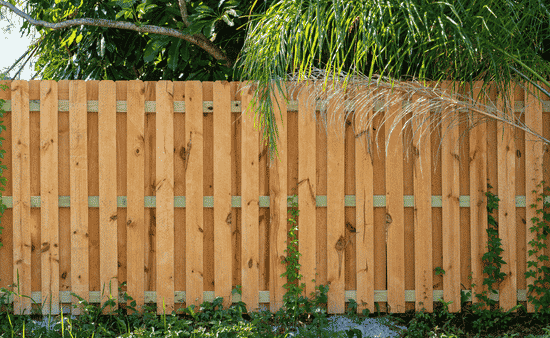
A backyard should provide a sense of comfort and protection. Strategic design choices can help increase privacy while improving security throughout the property.
Install Effective Boundaries
Fences, hedges, and other boundary features help define property lines and create separation from neighboring spaces. These elements can also discourage unwanted access.
Use Strategic Plant Placement
Shrubs and ornamental plantings can be positioned to increase privacy without obstructing important sightlines. Maintaining visibility around entrances and pathways helps improve security while preserving an open feel.
Incorporate Outdoor Lighting
Well-placed lighting improves visibility after dark and enhances the overall safety of the backyard. Lighting can also highlight landscape features and create a welcoming atmosphere during evening gatherings.
Balancing privacy with visibility allows homeowners to enjoy a secure and comfortable outdoor environment.
Choose Durable Features And Materials
Long-term functionality depends on selecting materials and structures that can withstand weather, wear, and daily use. Durable choices reduce maintenance demands and improve overall value.
Weather-Resistant Surfaces
Outdoor surfaces should be able to handle changing environmental conditions without excessive deterioration. Choosing quality materials helps preserve both appearance and safety over time.
Reliable Outdoor Structures
Pergolas, retaining walls, seating features, and other structures should be built using sound construction practices. Proper installation reduces the risk of structural failure and extends the lifespan of these additions.
Low-Maintenance Design Elements
Incorporating low-maintenance materials and landscaping features can help reduce upkeep while maintaining an attractive appearance. This approach allows homeowners to spend more time enjoying their backyard and less time managing it.
Investing in durable solutions ensures that the backyard remains functional, safe, and visually appealing for years to come.
Conclusion
Designing a safe and functional backyard requires careful planning, thoughtful organization, and ongoing attention to maintenance.
By assessing site conditions, creating purposeful activity zones, improving accessibility, maintaining healthy landscaping, enhancing privacy, and selecting durable materials, homeowners can build an outdoor space that supports both relaxation and everyday living. A well-designed backyard not only increases enjoyment and usability but also contributes to the long-term safety, beauty, and value of the property.

Ryo Nakamura
View More PostsRyo Nakamura covers gaming news, updates, and industry trends. His writing keeps the community informed about new releases, patches, and competitive shifts, offering clear context and insight into how changes impact gameplay and the broader gaming landscape.