Public parks are the heartbeat of local neighborhoods. They provide a vital space for recreation, mental clarity, and social interaction. However, a modern park requires much more than just a plot of grass and a standard set of swings.
To serve a diverse public effectively, municipal planners must integrate smart, inclusive, and durable features. Here are ten critical components that elevate a public green space into a thriving community hub.
1. Multi-Generational Playgrounds
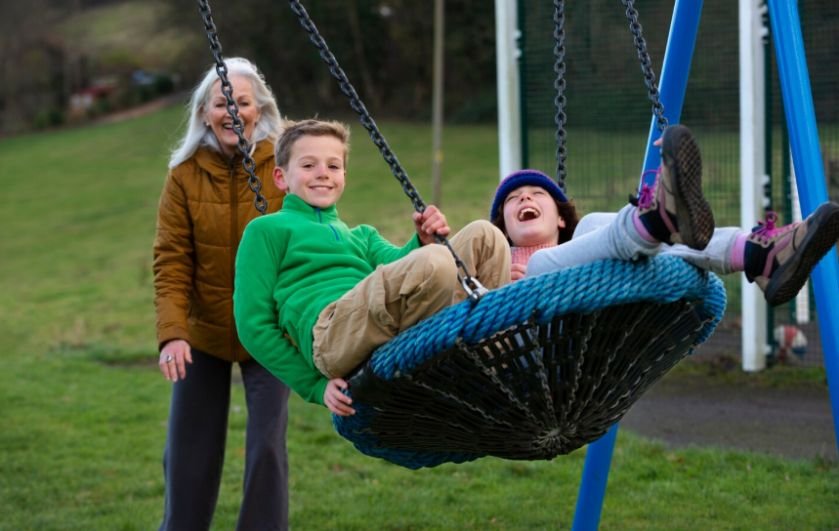
Play areas should cater to more than just toddlers. Modern designs incorporate tiered equipment that challenges older children while keeping younger ones safe. Utilizing inclusive elements, such as wheelchair-accessible carousels and sensory play panels, ensures that every child can participate.
2. Robust Infrastructure and Utilities

Comfort determines how long visitors remain at a public space. High-capacity waste receptacles prevent litter from spilling into nearby habitats. Accessible drinking fountains with attached water bottle filling stations help reduce plastic waste.
For regions prioritizing outdoor recreation, researching successful public models, such as the widely praised park amenities in Idaho, reveals that clean, seasonal restroom facilities are the most heavily requested feature by families.
3. Dedicated Off-Leash Dog Zones

Pet ownership continues to grow, making dog-friendly spaces a necessity. A fenced dog park allows pets to exercise safely without disrupting other park goers. Double-gated entries prevent accidental escapes, while agile obstacles and waste stations keep the area clean and engaging.
4. Multi-Purpose Fitness Areas
Public health benefits immensely from outdoor exercise options. Static pull-up bars are being replaced by modern fitness courts with bodyweight resistance machines. Placing these stations along walking paths allows joggers to integrate strength training into their daily cardio routines.
5. Shaded Seating and Group Pavilions
Protection from extreme weather encourages year-round usage. Large fabric sails over play equipment protect children from burning surfaces. Additionally, covered wooden or metal pavilions with heavy-duty picnic tables create perfect venues for family reunions, birthdays, and community gatherings.
6. Safe, Connected Pathway Networks
A great park must be easy to navigate. Paved, wide walkways accommodate strollers, wheelchairs, and bicycles simultaneously. Loop configurations are ideal for senior walkers who prefer predictable distances, while clear directional signage keeps everyone on the correct path.
7. Integrated Interactive Water Features
Traditional swimming pools require high maintenance and constant supervision. Splash pads have become the preferred modern alternative. These zero-depth water playgrounds utilize ground nozzles and dumping buckets to provide a refreshing escape during hot summer months without the associated safety risks of deep water.
8. Smart and Sustainable Lighting
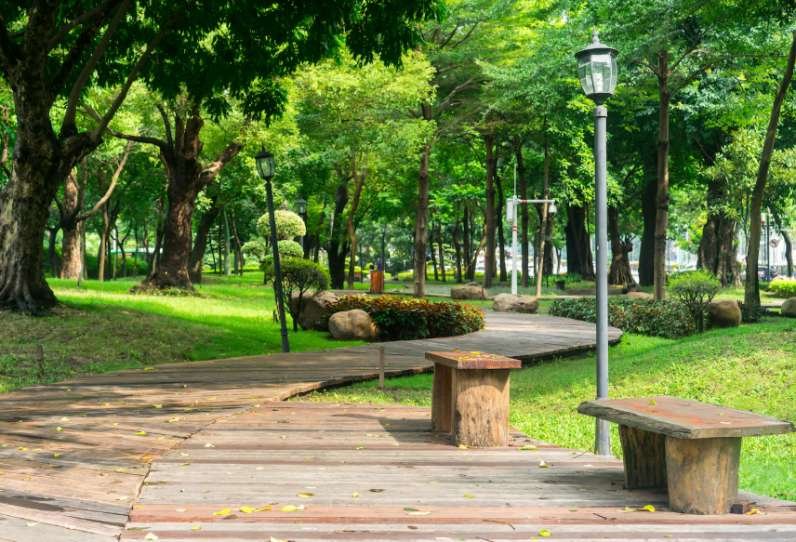
Safety does not end when the sun sets. Low-voltage, solar-powered LED lighting along pathways ensures visibility without creating excessive light pollution for neighboring homes. Well-lit spaces naturally deter vandalism and allow working individuals to utilize the park safely during evening hours.
9. Native Landscaping and Urban Forestry
A modern park should support the local ecosystem. Planting native trees provides essential shade canopies that reduce urban heat. Native flower beds require significantly less water and fertilizer, creating self-sustaining micro-habitats for local pollinators.
10. Sports Facilities for Emerging Trends
While baseball diamonds and tennis courts remain popular, modern public spaces must adapt to changing recreation trends. Incorporating multi-use courts for pickleball, basketball, or even concrete skate zones ensures the park stays relevant for teenagers and young adults.
By prioritizing these ten elements, city planners can guarantee that public investments yield healthy, connected communities. A park that focuses on accessibility, safety, and varied recreation will remain a treasured asset for generations.

Ryo Nakamura
View More PostsRyo Nakamura covers gaming news, updates, and industry trends. His writing keeps the community informed about new releases, patches, and competitive shifts, offering clear context and insight into how changes impact gameplay and the broader gaming landscape.