Gaming has long been a haven for escapism, adventure, and competition. However, despite its massive popularity, one area that has lagged behind in the gaming world is diversity and inclusion.
In recent years, conversations around diversity in gaming have intensified, with players and creators calling for more inclusive representation in games. The industry’s response has been slow, but change is definitely underway. Here’s why diversity in gaming matters and how it impacts everything from game design to player experience.
Why Diversity in Gaming Is Crucial: The Stats Tell the Story
For years, the majority of video game characters were white, male, and often lacked depth. This issue wasn’t just about who was represented, but also about how they were represented. Research shows that nearly 80% of video game characters are male, and more than 55% of characters are white. These statistics reveal an undeniable trend, but they also highlight an opportunity for improvement.
As the gaming audience becomes more diverse, the push for more inclusive representation grows louder. Whether it’s gender diversity, racial inclusivity, or better representation for LGBTQ+ communities, players today expect the same level of depth and variety in the characters they play and interact with.
This includes everything from complex storylines to character designs that reflect the rich tapestry of real-world cultures and identities. In fact, studies have shown that diverse representation can boost player engagement and increase sales, as more players see themselves reflected in the stories and characters. The demand for inclusivity isn’t just a social issue, it’s good business.
The Role of Game Developers in Promoting Inclusivity

Game developers play a pivotal role in shaping the future of diversity in gaming. The responsibility lies with them to push boundaries and break away from the stereotypical narratives that have dominated the industry for so long.
Today, many game companies, such as Naughty Dog (known for The Last of Us series) and Bioware (famous for Mass Effect), are taking steps toward inclusivity by introducing diverse characters and exploring complex narratives about race, gender, and sexuality.
These companies are setting a benchmark by incorporating characters with different cultural backgrounds, sexual orientations, and gender identities. This is a massive step forward in an industry that has, in the past, failed to include such important aspects of real-world diversity.
How Gaming Benefits from Diversity: A More Engaged Player Base
The positive effects of diversity in gaming are not just about representation they also extend to game mechanics, storylines, and overall player experience. By incorporating a broader range of characters, developers allow players to identify with the game in more meaningful ways.
This, in turn, enhances emotional investment and engagement. Moreover, games with diverse characters often present fresh perspectives on common themes, offering new gameplay experiences and challenges.
For example, the game Overwatch has made waves by introducing characters from diverse backgrounds, each with unique skills and abilities that reflect their cultural heritage. By doing so, it not only enriches the narrative but also improves gameplay mechanics, making the experience more engaging for players around the globe.
The Future of Gaming and Diversity
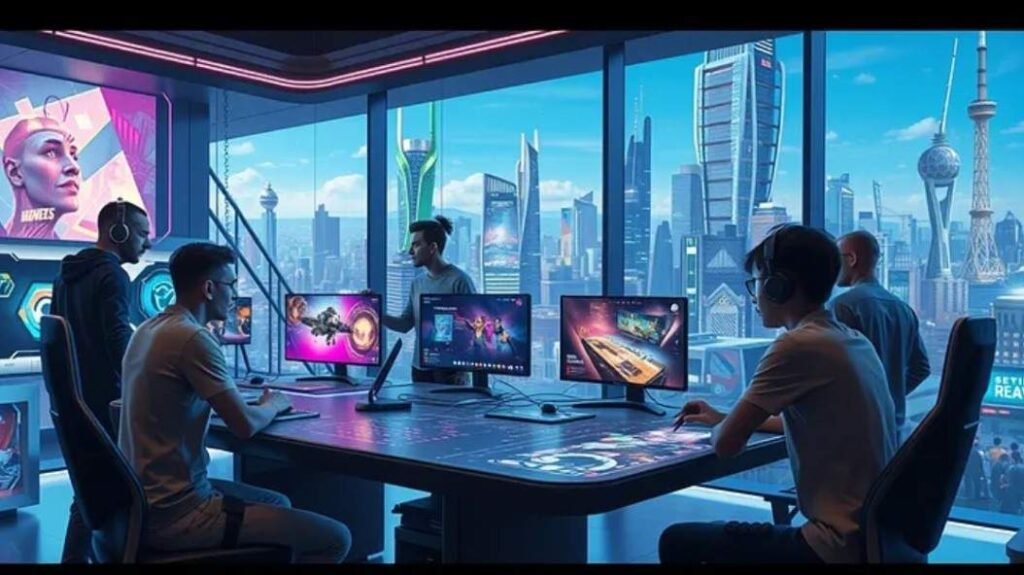 Image credits – leonidasgorgo.medium.com
While some progress has been made, there’s still a lot of work to be done. Diversity in gaming isn’t just about character appearances or representation. It also involves creating opportunities for underrepresented groups to thrive in the gaming industry itself.
This includes improving access to careers in game development for women, minorities, and other marginalized communities. The gaming industry also needs to work on creating inclusive communities for players. Toxic behavior, online harassment, and bullying can create unsafe spaces for many, particularly women and LGBTQ+ individuals.
Game developers and platform creators must implement better anti-harassment measures and create safer, more welcoming online environments.
How Can Gamers Advocate for Diversity in Gaming?
As gamers, we have a powerful voice in advocating for change. By supporting games that promote diversity, we send a clear message to developers that representation matters. Additionally, players can support independent game studios that prioritize diverse storylines and characters. Some indie developers, like those behind Celeste and Life is Strange, are already leading the charge for more inclusive gaming experiences.
On a personal level, gamers can also be proactive in their online interactions. Reporting toxic behavior, supporting inclusive gaming events, and fostering a positive environment within gaming communities all contribute to the bigger picture.
Frequently Asked Questions (FAQs)
1. Why is diversity important in gaming?
Diversity in gaming ensures that more players feel seen, heard, and represented. It also helps create more interesting and engaging stories and characters that resonate with a broader audience.
2. How can I support diversity in gaming as a player?
Support games with diverse characters, voice your opinions on inclusivity, and foster a welcoming environment in gaming communities. You can also support indie developers who prioritize representation.
3. What games have made strides in diversity?
Games like Overwatch, The Last of Us Part II, and Life is Strange have been praised for their diverse characters and inclusive storylines.
4. How does diversity affect gameplay?
Diverse characters often bring new gameplay mechanics, perspectives, and challenges that make the gaming experience more dynamic and engaging.
Final Words
The future of gaming is diverse, and it’s clear that representation plays a critical role in shaping the industry. As developers continue to embrace inclusivity, players will benefit from richer, more engaging stories and experiences. Whether you’re a game developer, player, or fan, the call for diversity in gaming is one that we should all support.
By advocating for change, supporting inclusive games, and demanding better representation, we can ensure that the world of gaming continues to evolve into a space where everyone is welcome, no matter their background or identity.

Ryo Nakamura
View More PostsRyo Nakamura covers gaming news, updates, and industry trends. His writing keeps the community informed about new releases, patches, and competitive shifts, offering clear context and insight into how changes impact gameplay and the broader gaming landscape.