Video game marketing is unlike any other industry. As a long-time gamer and marketing enthusiast, I’ve seen firsthand how the strategies and approaches behind promoting video games differ from those of consumer products. If you’re in the gaming industry or planning to dive into it, understanding these unique marketing tactics is essential to success.
The Unique Appeal of Video Games
When we think about marketing products, we usually imagine selling a tangible item. Whether it’s a car, a pair of shoes, or a tech gadget, the goal is often the same: attract customers and drive sales. However, video games are more than just products. They represent entire ecosystems that revolve around storytelling, communities, and deep immersion.
The Power of Immersion in Marketing
Video games are not just about a product; they’re about an experience. Marketers in the gaming industry tap into this unique element by creating engaging narratives and building worlds that players want to return to time and time again.
This immersion makes it different from the typical marketing funnel. Instead of focusing purely on a product’s features, game marketing targets the emotional and cultural connections players develop with the game.
For example, when Fortnite dropped its in-game events like Travis Scott’s concert, it wasn’t just about promoting a game – it was about creating an experience. Fans weren’t just playing; they were participating in a moment that integrated gaming with live music, something traditional advertising rarely achieves.
The Role of Communities in Video Game Marketing
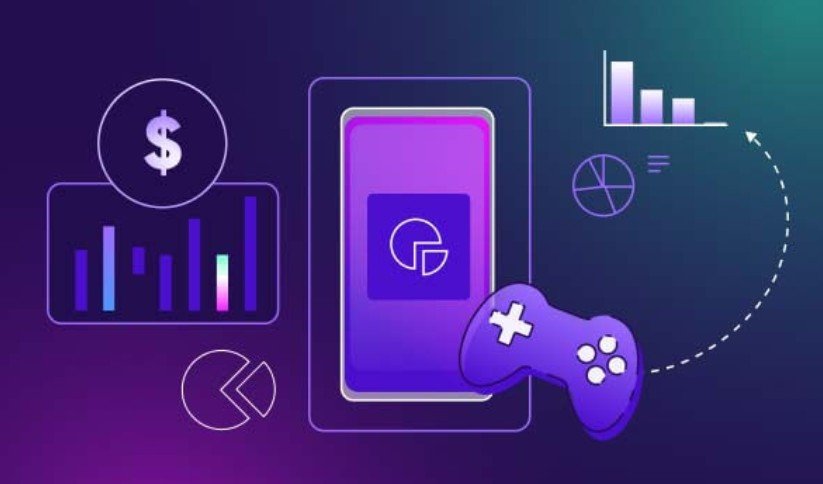 Image credits – appsflyer.com
Another critical difference in video game marketing is the community aspect. While many products rely on traditional advertising (TV, social media, print), video games thrive on community-driven marketing. Think about it – most video game players aren’t just consumers; they’re advocates.
Influencer Marketing – A Key Player in Gaming Promotion
In the world of video game marketing, influencers are more than just marketers—they are trusted voices. Platforms like Twitch and YouTube play a pivotal role in this. Influencers, particularly streamers and content creators, are integral to a game’s success.
Take Among Us, for example. The game’s rise to prominence wasn’t due to traditional advertising, but because influencers and streamers started playing it live on their channels, sparking organic interest from their followers.
The real power lies in how influencers cultivate a sense of community, making players feel part of something larger than just the game. User-generated content and fan engagement through social media are key to keeping players hooked and invested in the brand.
Building Hype
Video game marketing also operates on a different timeline than traditional consumer products. Game companies begin their marketing campaigns months even years before a game’s official release. The strategy here isn’t just about building brand awareness, it’s about creating anticipation.
The Impact of Teasers and Beta Testing
One of the most effective strategies in video game marketing is the use of teasers and beta testing. Companies often release small gameplay snippets or limited-access beta versions of the game to entice gamers. Early access gives potential customers a taste of the gameplay and builds a sense of exclusivity, which is crucial for creating buzz.
For instance, the launch of Cyberpunk 2077 saw immense pre-launch hype, fueled by a series of trailers, sneak peeks, and pre-order bonuses. Even when the game faced early technical issues, the marketing had already done its job: it created an incredibly strong brand presence and customer loyalty.
Social Media and Viral Campaigns
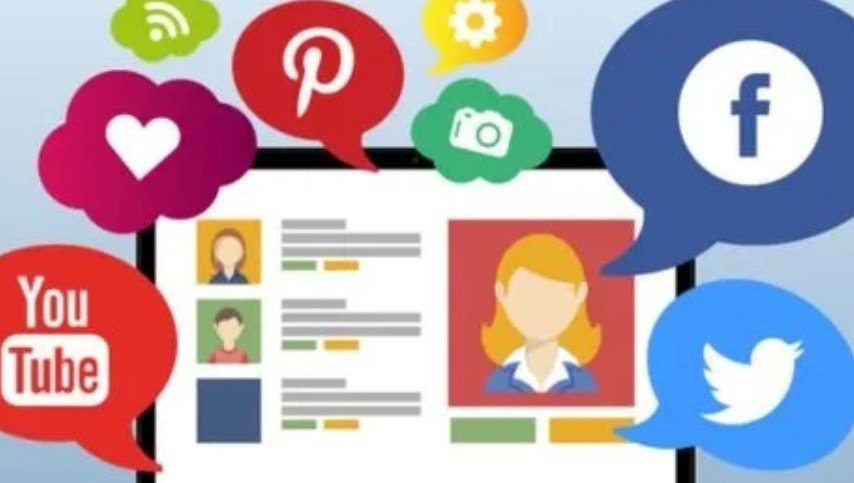
In the gaming industry, social media isn’t just a marketing channel; it’s a direct extension of the community. Video game marketers don’t just use social media for ads – they create conversations and user engagement.
Twitter and Memes
Take Animal Crossing: New Horizons, for example. The game’s marketing on Twitter wasn’t just about updates; it was about memes, humor, and fan engagement. It tapped into cultural moments, such as the game’s release during the pandemic, and capitalized on real-time events to keep the community involved.
Twitter, Instagram, and Discord are the modern-day versions of town squares where players come together to share ideas, tips, and jokes. This level of organic engagement is a powerful tool for game marketing. Unlike other industries, where users might passively view ads, gamers actively participate in the promotion by creating content, sharing stories, and helping spread the word.
Why Traditional Marketing Doesn’t Work in Gaming
The most significant takeaway from all this is that traditional marketing methods often don’t work for games. Marketing a car or a beauty product may involve straightforward ads or influencer partnerships. In contrast, gaming requires an immersive, community-driven approach.
Game marketing is built on organic buzz and community-driven content, which makes it more authentic. Gamers tend to be very loyal, but they also have high expectations. Traditional ads and corporate speak won’t cut it. Instead, game marketing thrives on personal connections and experiences that make players feel like they’re part of something special.
Frequently Asked Questions
1. What makes video game marketing unique?
Video game marketing is unique because it focuses on creating immersive experiences and building strong communities, rather than just promoting a product.
2. Why are influencers important in video game marketing?
Influencers are key because they help create organic buzz and foster trust with players, making them more likely to try and recommend games.
3. How does social media impact video game marketing?
Social media platforms allow real-time engagement with fans, building excitement, sharing updates, and creating conversations around a game.
4. What role does community play in game marketing?
Community is central to game marketing, as players are more likely to engage, share, and promote games they feel personally connected to.
Final Words
In conclusion, video game marketing stands apart due to its focus on community, immersion, and authenticity. Traditional marketing tactics just don’t work in an industry where the product isn’t just a game, it’s a culture. You are an indie developer or working for a AAA studio, focusing on the relationships you build with players, the experiences you create, and the communities you foster will set you apart from the competition.

Ryo Nakamura
View More PostsRyo Nakamura covers gaming news, updates, and industry trends. His writing keeps the community informed about new releases, patches, and competitive shifts, offering clear context and insight into how changes impact gameplay and the broader gaming landscape.