Growing your own orchard can be one of the most rewarding aspects of gardening, yielding fresh, sun-ripened produce right from the backyard. However, orchard maintenance requires vigilance, as fruit trees are highly susceptible to a variety of fungal, bacterial, and viral infections.
When left unchecked, these ailments can ruin an entire season of fruit, weaken the structure of the tree, and potentially lead to plant death. Identifying symptoms early and implementing proper treatment strategies ensures your backyard orchard remains vibrant and productive year after year.
Common Fungal Diseases of Fruit Trees
Fungi are responsible for the vast majority of plant sicknesses in home orchards. They thrive in damp, stagnant environments and spread rapidly through wind, rain splash, and contaminated gardening tools.
Apple Scab
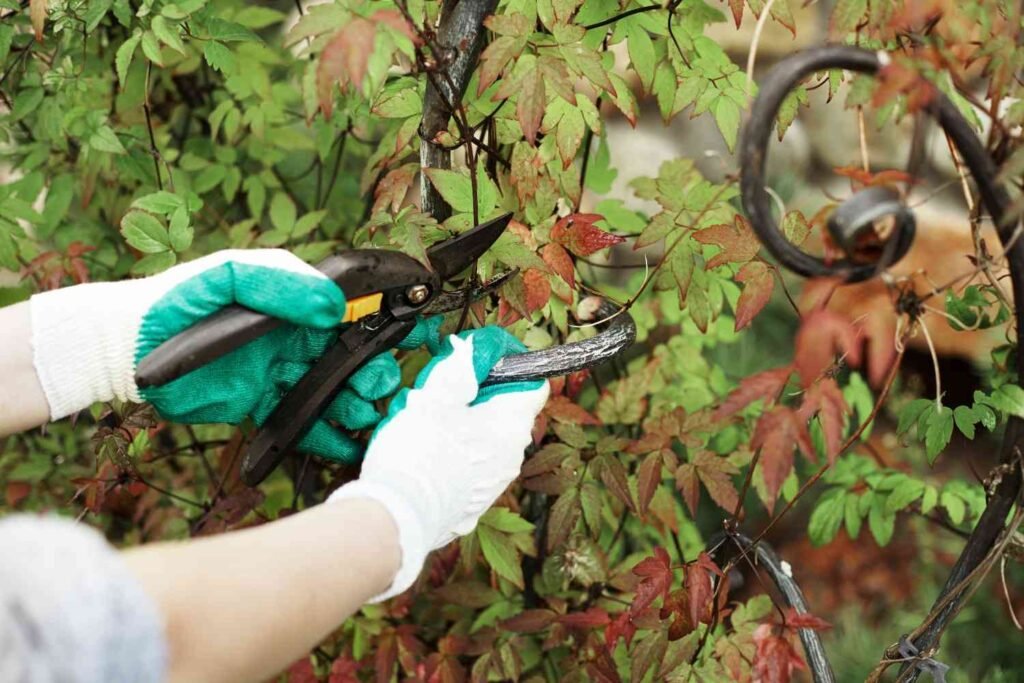
This particular fungal ailment targets apple and crabapple trees, causing significant cosmetic and structural damage. The initial indicators appear on the leaves as velvety, olive-green spots that eventually turn dark brown or black. As the infection progresses, the leaves twist, turn yellow, and drop prematurely. On the fruit itself, distinct corky, brown lesions develop. These spots crack open, exposing the flesh to secondary infections and rendering the harvest unappetizing.
Black Knot
Mainly affecting stone fruits such as plums and cherries, black knot is a conspicuous fungal infection that targets the twigs and branches. It manifests as greenish, swollen lumps during the spring. Over time, these swellings elongate and turn into rough, coal-black, hard swellings that wrap around the wood. If these growths are not managed, they restrict the flow of water and nutrients, killing the wood beyond the infection site and eventually ruining the canopy.
Powderly Mildew
This widespread issue creates a distinct white to light gray powdery coating on the surfaces of young leaves, shoots, and blossoms. It causes the foliage to crinkle, curl upward, and become brittle. New growth is often stunted, and infected blossoms fail to set fruit. Mildew thrives when days are warm and nights are cool and damp, making spring and early autumn prime times for outbreaks.
Destructive Bacterial and Viral Infections
While fungi are common, bacterial and viral pathogens are often much more aggressive and harder to eliminate once they establish themselves in the vascular system of the tree. This is why garden care can also support Creating a Healthier Living Environment with indoor air quality, especially when healthy outdoor plants contribute to a cleaner and more balanced home environment.
Fire Blight
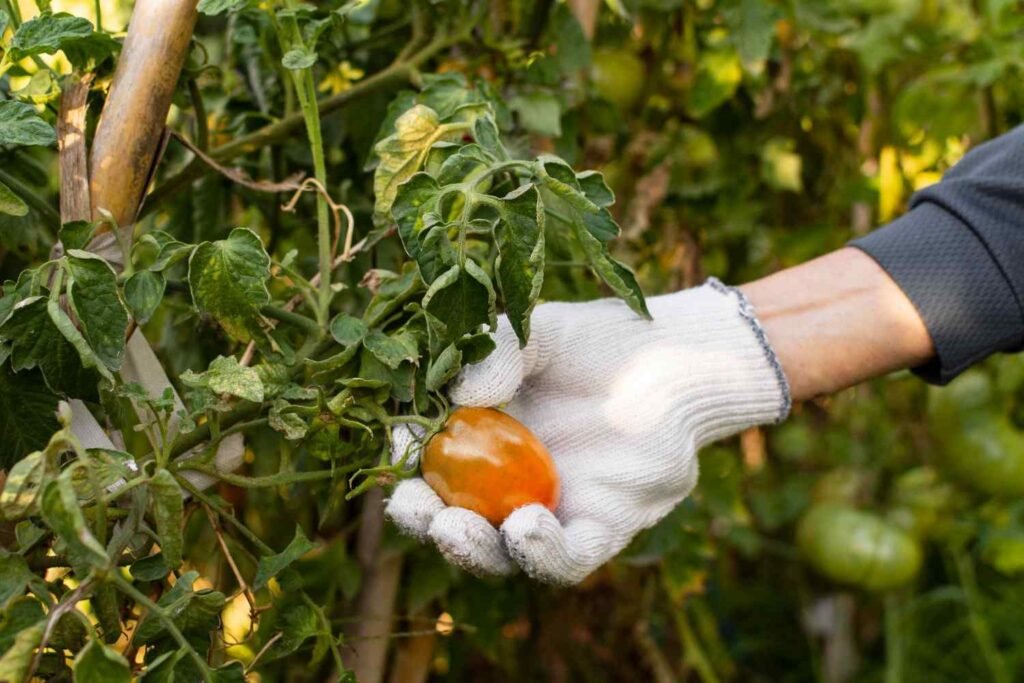
Fire blight is a highly destructive bacterial disease that primarily attacks pome fruits, including pears and apples. The symptoms appear suddenly in the spring, causing blossoms, leaves, and twigs to turn deep brown or pitch black rapidly, as if they have been scorched by fire. The tips of infected shoots often bend downward into a characteristic shape resembling a shepherd’s crook. During wet weather, a sticky, amber-colored bacterial ooze may drip from the cankers, spreading the infection to neighboring branches via insects or rain.
Peach Leaf Curl
This condition is caused by a pathogen that distorts the foliage of peach and nectarine trees. In early spring, emerging leaves develop thick, puckered, reddish areas that twist the normal shape of the leaf. The distorted zones eventually turn gray and powdery as spores develop, before the leaf dries up and falls off. Severe defoliation forces the tree to expend vital energy producing a second set of leaves, which drastically reduces fruit production and winter hardiness.
Prevention and Maintenance Techniques
Keeping your orchard healthy depends heavily on preventative care. Creating an environment where trees can thrive makes them naturally resilient against invading pathogens.
Sanitation Practices
The most effective way to curb infections is to eliminate the source of spores and bacteria. Fallen leaves, mummified fruit left on the branches, and pruned twigs should be gathered and removed from the property completely rather than composted. Disinfecting your pruning shears with a solution of isopropyl alcohol between every single cut prevents you from inadvertently moving bacteria or fungal spores from an infected branch to a healthy one.
Proper Pruning and Air Circulation
Dense canopies trap humidity, providing the perfect microclimate for spores to germinate. Pruning during the dormant winter season opens up the center of the tree, allowing sunlight to penetrate and wind to move freely through the branches. Fast-drying foliage is significantly less likely to succumb to fungal attacks. Furthermore, removing dead, crossing, or diseased wood immediately prevents issues from traveling down into the main trunk.
Professional Assistance
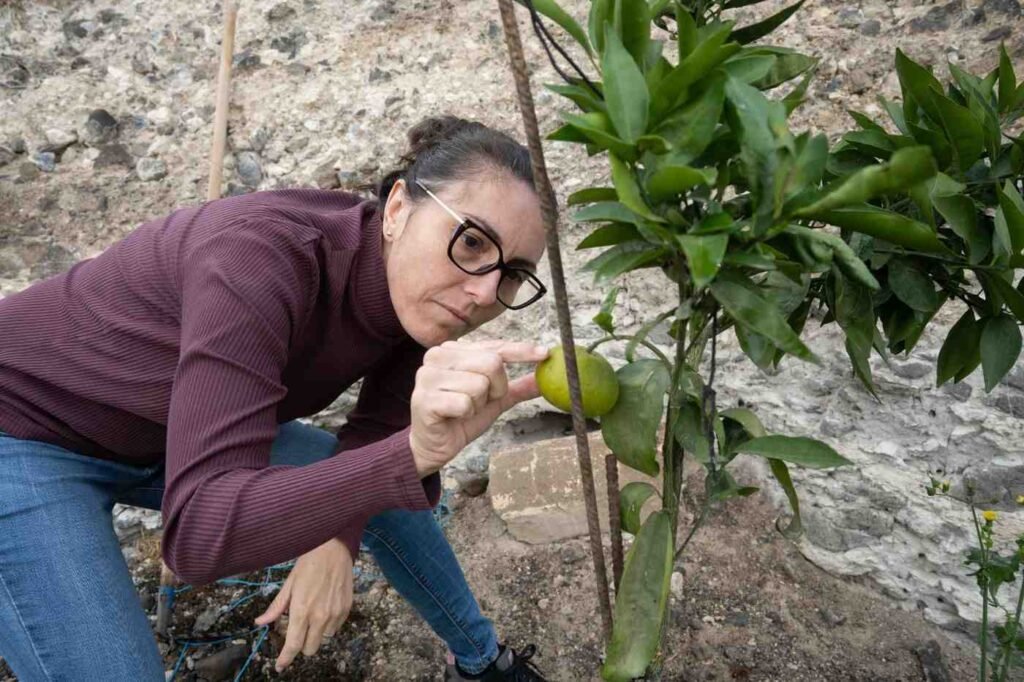
Managing mature trees or identifying ambiguous symptoms can sometimes overwhelm a home gardener. When large branches require removal or when a widespread sickness threatens the entire backyard orchard, seeking professional advice is highly beneficial. For homeowners needing specialized equipment or comprehensive canopy assessments, reaching out to a certified tree service in Logan can preserve the longevity of your landscape and guarantee a successful yield.
Chemical and Organic Treatments
When preventative measures are not enough, targeted treatments can help control the spread of an active pathogen.
Copper Fungicides
Liquid copper sprays are an excellent tool for managing bacterial and fungal issues like fire blight and leaf curl. These solutions are generally applied during the late autumn after leaf drop, or in early spring just before the buds open. The copper creates a protective barrier on the wood, preventing spores from germinating when weather conditions turn wet.
Horticultural Oils
Applying dormant oils during the late winter serves a dual purpose. It smothers overwintering insect pests, such as scales and aphids, which frequently act as vectors by carrying bacterial pathogens from one plant to another. Keeping insect populations under control directly reduces the entry wounds that pathogens use to infect healthy bark.

Ryo Nakamura
View More PostsRyo Nakamura covers gaming news, updates, and industry trends. His writing keeps the community informed about new releases, patches, and competitive shifts, offering clear context and insight into how changes impact gameplay and the broader gaming landscape.