Living in a healthy home environment plays a major role in overall well-being, comfort, and daily quality of life. The spaces where families sleep, eat, and spend time together directly influence physical health, emotional balance, and long-term comfort. From air quality to cleanliness and temperature control, every detail contributes to how safe and comfortable a home feels.
By making intentional improvements, homeowners can create an environment that supports healthier habits and reduces everyday exposure to common indoor stressors.
Improving Indoor Air Quality And Ventilation
Air quality is one of the most important factors in maintaining a healthy home environment. Poor ventilation can allow dust, moisture, and pollutants to accumulate indoors, which may affect comfort and respiratory well-being over time. Ensuring consistent airflow throughout the home helps reduce these risks and supports a fresher indoor atmosphere.
Proper ventilation allows stale air to exit while bringing in cleaner outdoor air. This exchange helps regulate humidity levels and prevents the buildup of unwanted odors. Rooms that are used frequently, such as kitchens and living areas, benefit greatly from improved airflow management.
Houseplants can also contribute to better air quality by naturally filtering certain airborne particles. While they are not a complete solution, they can complement other ventilation efforts and add a sense of freshness to indoor spaces.
Regular cleaning routines further support air quality by reducing dust accumulation on surfaces, fabrics, and flooring. When combined with proper ventilation, these habits create a more comfortable and healthier indoor environment for families.
Maintaining Clean And Organized Living Spaces

Cleanliness plays a significant role in supporting a healthier home. Cluttered or unclean environments can contribute to stress, reduce comfort, and increase the presence of allergens or irritants. Establishing consistent cleaning routines helps maintain a more balanced and pleasant living space.
High-traffic areas should be prioritized during regular cleaning. Floors, countertops, and commonly used surfaces tend to collect dust and debris more quickly and benefit from frequent attention. Keeping these areas clean helps reduce the spread of unwanted particles throughout the home.
Organization is equally important. Proper storage solutions help reduce clutter and make it easier to maintain cleanliness. When items have designated spaces, it becomes simpler to keep living areas tidy and functional.
Deep cleaning periodically can also help address areas that are not part of daily routines. This includes spaces such as behind furniture, inside storage areas, and less frequently used rooms. A structured cleaning approach contributes to a healthier and more comfortable living environment overall.
Enhancing Temperature Control And Comfort
Temperature regulation has a direct impact on both comfort and health within the home. Extreme indoor temperatures can make living spaces uncomfortable and may also place additional strain on heating and cooling systems. Maintaining a stable indoor climate helps create a more consistent and pleasant environment.
Proper insulation plays a key role in temperature control. It helps reduce heat loss during colder months and minimizes heat gain during warmer periods. This balance allows indoor spaces to remain more comfortable throughout seasonal changes.
In some cases, homeowners explore working with an insulation company in Provo to assess and improve the efficiency of their home’s thermal performance. Enhancing insulation can contribute to better comfort while also supporting energy efficiency.
Heating and cooling systems should also be maintained regularly to ensure reliable performance. Clean filters, unobstructed airflow, and properly functioning equipment all contribute to consistent temperature regulation.
By combining insulation improvements with system maintenance, homeowners can create a more stable indoor environment that supports overall well-being.
Reducing Exposure To Indoor Pollutants
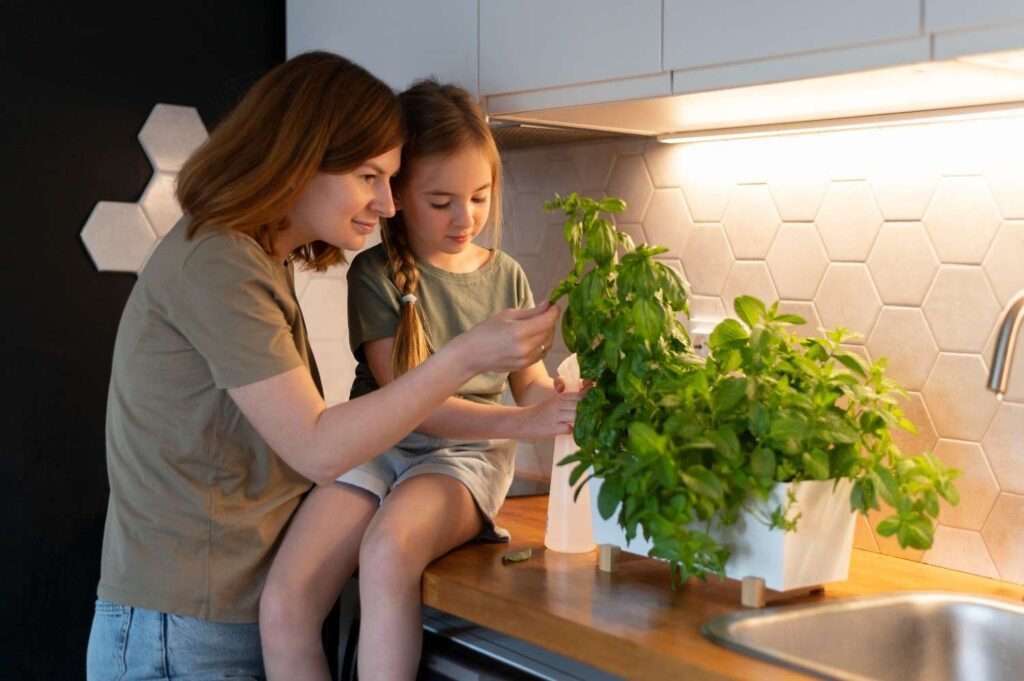
Indoor pollutants can come from a variety of sources, including cleaning products, building materials, and everyday household activities. Reducing exposure to these elements is an important step in creating a healthier home environment.
Choosing low-emission materials and products can help minimize the introduction of harmful substances into indoor air. Simple adjustments in household product selection can make a noticeable difference over time.
Proper ventilation during activities that produce fumes or particles is also important. Cooking, cleaning, and certain home projects should be done in well-ventilated areas whenever possible to reduce indoor buildup.
Regular maintenance of HVAC systems can further help control indoor pollutants. Clean filters and ducts help reduce the circulation of dust and other particles throughout the home.
Awareness and consistent habits play a key role in limiting exposure and maintaining a healthier indoor atmosphere for the entire household.
Supporting Healthy Habits Through Home Design
The design and layout of a home can influence daily habits and overall lifestyle. Thoughtful organization and functional spaces encourage healthier routines and make it easier for families to maintain balanced living environments.
Designated areas for relaxation, work, and physical activity help support structure and reduce unnecessary stress. When spaces are clearly defined, it becomes easier to maintain order and focus on specific activities.
Natural light also contributes to a healthier home environment. Well-lit spaces feel more open and inviting, which can positively affect mood and energy levels. Maximizing natural light where possible can enhance both comfort and well-being.
Outdoor access is another valuable element of healthy home design. Easy access to outdoor spaces encourages time spent in fresh air and supports a more active lifestyle. Even small outdoor areas can provide meaningful benefits when used regularly.
A well-designed home supports healthier habits by making positive choices more convenient and accessible for all family members.
Managing Moisture And Preventing Indoor Issues

Moisture control is essential for maintaining a healthy living environment. Excess moisture can lead to mold growth, structural damage, and poor air quality if not properly managed. Addressing moisture-related concerns early helps prevent long-term issues.
Areas such as bathrooms, kitchens, and basements are more prone to moisture buildup and should be monitored regularly. Proper ventilation in these spaces helps reduce humidity levels and supports a drier indoor environment.
Fixing leaks promptly is another important step in moisture management. Even small leaks can contribute to larger problems if left unaddressed over time. Regular inspections of plumbing systems and appliances can help identify potential issues early.
Dehumidifiers and ventilation systems can also assist in maintaining balanced moisture levels in certain areas of the home. Keeping humidity under control helps protect both the structure of the home and the health of its occupants.
Effective moisture management contributes significantly to a safer and more comfortable living environment.
Conclusion
Creating a healthier living environment for your family involves a combination of thoughtful habits, consistent maintenance, and intentional home improvements. From improving air quality and managing temperature to maintaining cleanliness, reducing indoor pollutants, and identifying and treating fruit tree diseases in your garden, each step contributes to a safer and more comfortable home.
Small, consistent efforts can lead to meaningful long-term improvements in both health and overall quality of life.

Ryo Nakamura
View More PostsRyo Nakamura covers gaming news, updates, and industry trends. His writing keeps the community informed about new releases, patches, and competitive shifts, offering clear context and insight into how changes impact gameplay and the broader gaming landscape.