The dream of opening a restaurant often centers on the romantic notion of serving delicious food to a bustling room of satisfied guests. Many aspiring entrepreneurs enter the industry driven by passion and a specific vision for a unique dining experience. Yet, the hospitality sector is famously unforgiving. A significant percentage of new establishments close their doors before they reach their first anniversary.
This high attrition rate is rarely the result of poor cooking or a lackluster menu. Instead, it is almost always caused by fundamental errors in business management and operational oversight. Understanding these common traps is the first step toward building a sustainable future.
The Financial Illusion
The most frequent cause of failure is a profound misunderstanding of cash flow. New owners often confuse revenue with profit. It is easy to be distracted by a dining room full of customers, but a high volume of transactions does not guarantee a healthy bottom line. Many businesses enter the market with thin capital reserves, operating under the assumption that they will turn a profit within the first few months.
In reality, most restaurants require a significant financial cushion to absorb the inevitable losses that occur while building a reputation and a loyal customer base. Without cash reserves, a single slow week or an unexpected equipment breakdown can lead to a liquidity crisis.
Successful operators meticulously track their prime costs, which include the cost of goods sold and labor, ensuring that these figures stay within a sustainable percentage of total sales. If the money coming in does not consistently cover these primary expenses, the business is effectively operating at a loss, regardless of how busy the floor looks on a Friday night.
The Miscalculation of Location
Choosing a physical location is a decision that dictates the trajectory of the business. A concept that thrives in a high-density urban environment might be disastrous in a suburban area with lower foot traffic. Owners often prioritize low rent over visibility and accessibility. While saving money on a lease is tempting, it often comes at the cost of potential revenue.
If a building is difficult to find, lacks parking, or sits in a neighborhood that does not align with the target demographic, the business will struggle to draw enough customers to stay afloat. Before committing to a lease, it is vital to conduct thorough research on the demographics, daily habits, and spending power of the local population.
The Silent Killer: Inventory and Waste Management

Running a kitchen requires more than just culinary skill, it demands strict administrative control. Food waste is a silent profit killer. Every spoiled ingredient or oversized portion represents money leaving the business. Establishing a rigid system for inventory tracking is non-negotiable. This involves regular counts, careful rotation of stock, and a menu designed to minimize waste.
A menu that relies on too many perishable ingredients is difficult to manage and prone to high levels of spoilage. A focused, streamlined menu often leads to better profitability and higher quality control. When ingredients are used across multiple dishes, waste is reduced and the kitchen runs more efficiently.
The Reality of Labor Costs
Staffing is one of the largest expenses for any dining establishment. Managing labor is a delicate balancing act. If a restaurant is understaffed, the customer experience suffers, leading to negative reviews and lost repeat business. If it is overstaffed, the payroll costs erode the profit margin.
Effective owners use data to predict busy and slow times, adjusting schedules accordingly. Beyond the logistics of scheduling, the culture of the workplace plays a critical role. High turnover is expensive and disruptive. Training staff well and creating a positive work environment reduces the costs associated with constantly hiring and onboarding new employees.
Neglecting Consistent Operations
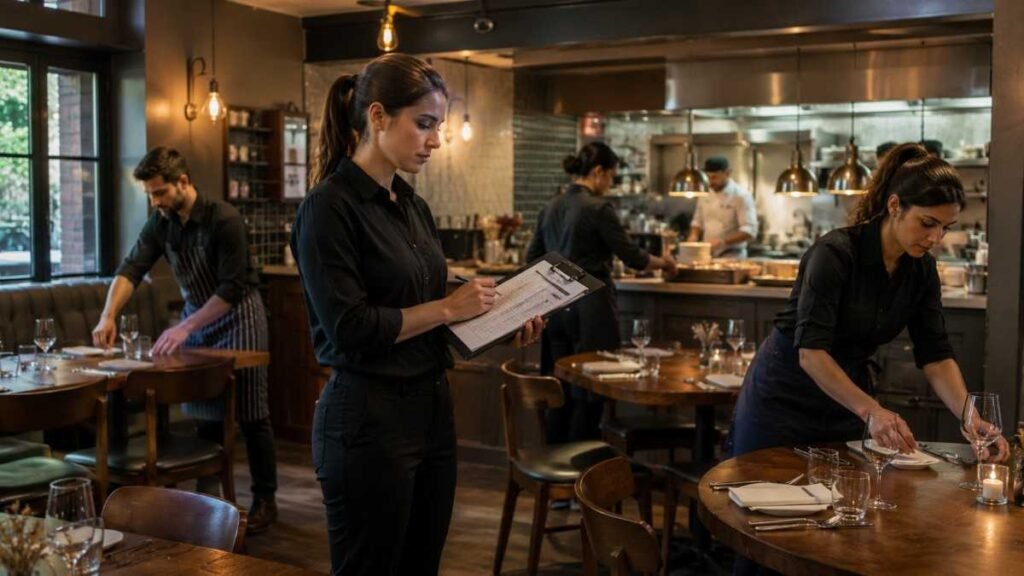
Consistency is the bedrock of customer loyalty. Guests return to a restaurant because they know exactly what to expect. If the quality of the food or the level of service fluctuates from week to week, the business will fail to build a steady customer base.
Standardizing recipes, training staff to follow precise procedures, and maintaining clean, safe facilities are tasks that must happen every single day. There is no room for complacency. When operations become erratic, trust is broken, and customers will move on to more predictable alternatives.
Long-Term Sustainability
Surviving the first year requires an ability to adapt. The market is constantly changing. Food trends shift, economic conditions fluctuate, and local competition evolves. Business owners must remain vigilant, monitoring their performance data and listening to feedback from guests. If a strategy is not working, they must be willing to make changes quickly.
Once you have navigated the initial hurdles, established a loyal customer base, and stabilized your financial operations, you may find yourself ready for growth. At that stage, you might even consider utilizing SBA loans to expand restaurant locations or upgrade equipment to increase volume.
The restaurant business is not a venture that can be managed casually. It requires a relentless focus on the numbers, a disciplined approach to operations, take quality control measures and a commitment to maintaining high standards even during the most stressful times. By addressing these core business principles early, you significantly improve the chances of turning a dream into a lasting enterprise.

Ryo Nakamura
View More PostsRyo Nakamura covers gaming news, updates, and industry trends. His writing keeps the community informed about new releases, patches, and competitive shifts, offering clear context and insight into how changes impact gameplay and the broader gaming landscape.