Land development is a multifaceted process that requires more than just erecting structures; it is about unlocking the full potential of a property while ensuring long-term value and sustainability. Whether you are dealing with raw urban land or a rural plot, success depends on a blend of regulatory knowledge, technical expertise, and strategic vision. By focusing on smart planning, developers can avoid costly mistakes and maximize their return on investment.
Comprehensive Land Assessment
The foundation of any successful development project is a thorough understanding of the land itself. Before making significant investments, developers must conduct a detailed assessment of the property’s physical and legal features.
- Physical Characteristics: Factors such as soil quality, topography, and existing vegetation significantly influence construction feasibility and cost. For instance, steep grades or highly erodible soils require specialized engineering and stabilization measures.
- Zoning and Regulations: Local building codes and zoning classifications dictate what is permissible on a site. Understanding setback requirements, height restrictions, and density limits early in the process prevents future legal setbacks.
- Utility Access: The availability of existing infrastructure, including water, electricity, and sewage, can dramatically impact the marketability and development timeline of a project.
The Backbone of Strategic Planning
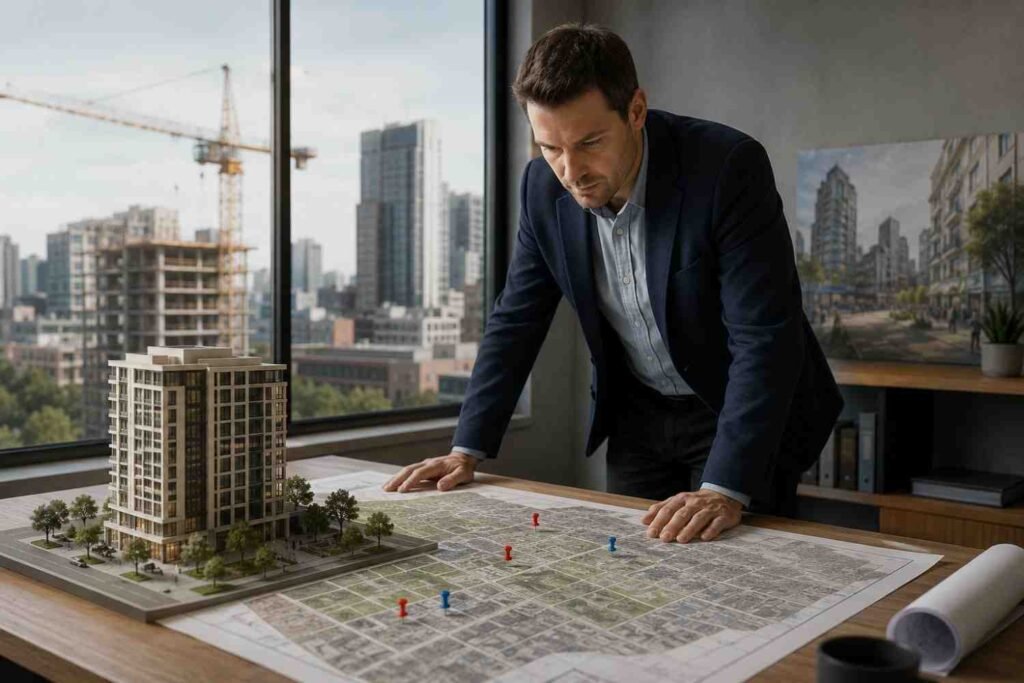
Once the land’s potential is understood, strategic planning becomes the roadmap for the project’s execution. A well-crafted master plan considers the long-term vision of the property, incorporating infrastructure, landscaping, and environmental safeguards.
Strategic planning also involves setting a realistic budget and financial plan. This should account for everything from land acquisition and permitting fees to construction contingencies and marketing. Including flexibility within the plan allows developers to adapt to unforeseen challenges or shifting market trends without derailing the entire project.
Accessibility and Infrastructure
A property’s value is directly tied to its accessibility. Improvements to roads, driveways, and connections to public transit enhance the site’s attractiveness to both buyers and tenants. Even minor upgrades, such as grading uneven land or establishing a clear entrance, can significantly increase the perceived value of a project. Furthermore, integrating smart design principles—such as energy-efficient layouts and green spaces—helps create functional environments that resonate with modern consumer preferences while also creating a healthier living environment for future residents and occupants.
Navigating Environmental and Regulatory Compliance
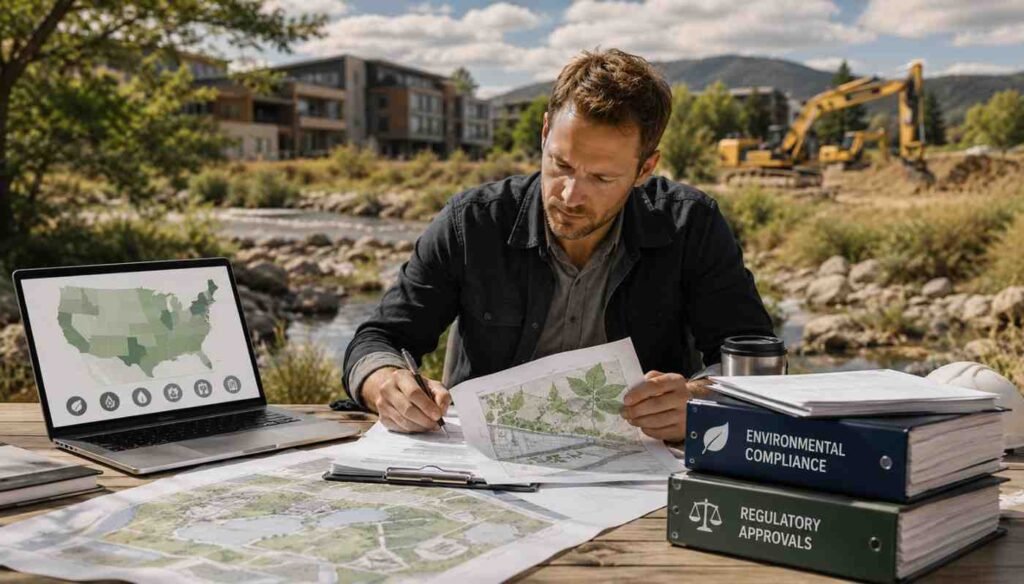
In today’s development landscape, environmental sustainability is no longer optional; it is a fundamental aspect of responsible growth. Implementing eco-friendly practices, such as Low Impact Development (LID), can reduce runoff and align a project with increasingly stringent regulations.
Compliance with state-specific environmental standards is a critical hurdle for any developer. For example, the oversight of the Division of Water Quality and the requirement for a professional SWPPP in Utah ensures that construction activities minimize water pollution and protect sensitive local waterways. Failure to account for these requirements before ground disturbance begins can lead to expensive fines and project shutdowns.
Aligning with Market Demand
Success in property development requires a deep understanding of community needs and market demand. Conducting thorough market research helps identify the most profitable use for a site, whether it be residential housing, retail centers, or mixed-use complexes.
- Demographic Analysis: Understanding who lives and works nearby helps tailor the development to meet local needs.
- Economic Indicators: Evaluating whether the local economy is expanding or declining informs long-term return expectations.
- Community Engagement: Early interaction with local stakeholders can identify concerns and opportunities to incorporate public amenities, which often leads to smoother approval processes and higher project acceptance.
In Conclusion
Maximizing land value is a journey that starts with smart planning and a commitment to professional excellence. By mastering the essentials—from site analysis and strategic budgeting to environmental compliance and market research—developers can minimize risks and build a foundation for lasting success in the dynamic world of property development. Working with experienced professionals, including architects, engineers, and legal advisors, ensures that each technical and regulatory challenge is met with expertise, allowing the project to thrive from blueprint to reality.

Ryo Nakamura
View More PostsRyo Nakamura covers gaming news, updates, and industry trends. His writing keeps the community informed about new releases, patches, and competitive shifts, offering clear context and insight into how changes impact gameplay and the broader gaming landscape.