When we talk about the difficulties of raising children, the conversation usually revolves around a predictable list. We discuss sleepless nights, the terrible twos, picky eaters, and the astronomical cost of childcare. These hurdles are tough, certainly, but they are widely recognized. You can find thousands of books, forums, and podcasts dedicated to surviving them.
Yet, there is a deeper, more isolating struggle that rarely makes it into social media feeds or casual playground chats. It is the quiet, invisible friction of losing your individual identity while trying to curate a perfectly safe, stable environment for your family.
Modern parents are expected to be fully present, economically productive, emotionally regulated, and entirely selfless. This unspoken burden takes many shapes, impacting a parent’s mental well-being in ways that often go unnoticed until burnout sets in.
1. The Loss of the Independent Self

Before kids, you had hobbies, uninterrupted thoughts, and a distinct sense of identity. Once you become a parent, that identity is frequently swallowed whole by the roles of provider, caregiver, and household manager.
It is a slow erosion. You gradually stop doing the things that make you feel like you because every spare minute is funneled into your children. Over time, this sacrifice can breed a quiet resentment that parents feel deeply guilty for harboring. Acknowledging that you miss your old life doesn’t mean you love your children any less; it simply means you are human.
2. Managing Invisible Mental Load
The mental load isn’t just about doing chores; it is the cognitive labor of planning, organizing, and anticipating the family’s every need. It is remembering when the milk expires, tracking school spirit days, and noticing when a child is outgrowing their shoes. Exploring what helps parents feel less overwhelmed daily can also make it easier to manage these ongoing responsibilities without feeling constantly stretched.
This constant mental juggling act keeps the brain in a perpetual state of low-grade alertness. It leaves parents feeling mentally exhausted even on days when they haven’t done much physical labor. Because this work is invisible, it often goes unappreciated, leading to feelings of profound loneliness within your own household.
3. Protecting the Home from Unseen Stressors
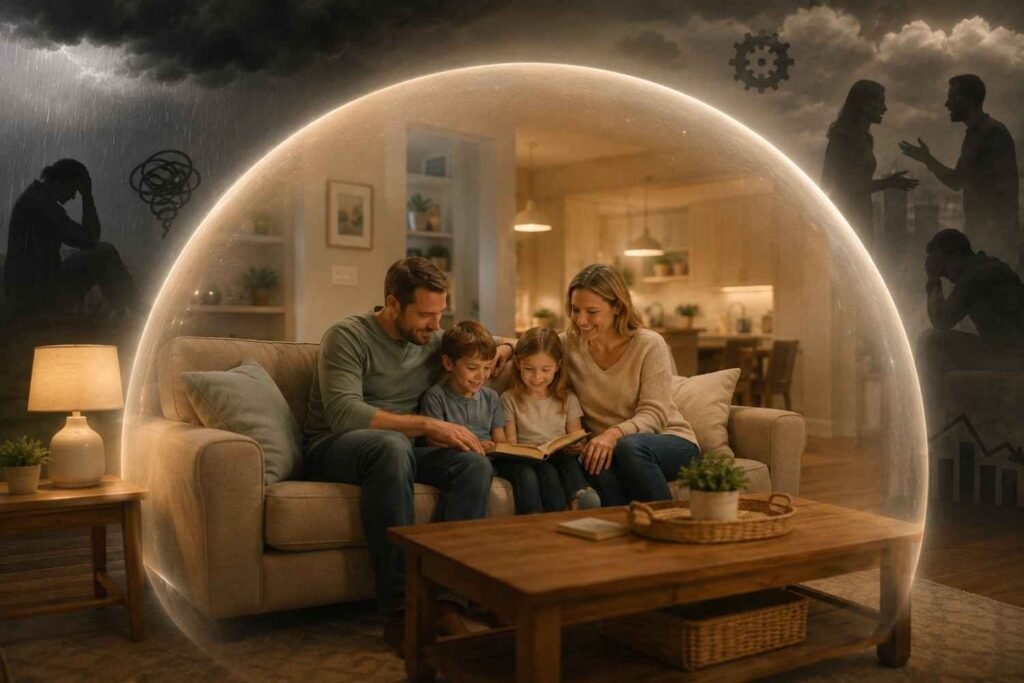
Parents are the ultimate gatekeepers of the home, tasked with keeping external chaos from breaching the family sanctuary. We worry about digital safety, school environments, and physical health. But sometimes, maintaining a haven means dealing with literal, tangible stressors behind the scenes without letting the kids panic.
For instance, discovering a pest issue behind the drywall can spike a parent’s anxiety instantly. You have to quietly manage the logistics of home maintenance, like arranging for rodent control in American Fork, all while keeping a calm, smiling face for the kids at the dinner table. Shielding your family from these adult anxieties is an exhausting, uncredited form of emotional labor.
4. The Trap of Constant Micro-Decisions
From the moment you wake up, you are bombarded with choices that feel monumental. Is this screen time too much? Is that cough worth a doctor’s visit? Am I being too strict or too lenient?
This decision fatigue compounds over days, months, and years. By the evening, a parent’s brain is often completely fried, making simple choices like “what to eat for dinner” feel like climbing a mountain. This exhaustion often manifests as irritability, leaving parents wondering why they feel so snapped over minor things.
5. The Isolation of Perfect Over-Parenting

We live in an era of unprecedented parenting information. While access to research is wonderful, it has created a culture of hyper-vigilance and comparison. Parents feel judged not just by others, but by the impossible standards they see online.
This pressure forces many to suffer in silence. When everyone else appears to be thriving, admitting that you are overwhelmed feels like a confession of failure. This creates a barrier to genuine community, leaving parents isolated in their struggles precisely when they need a village the most.
Conclusion
The unspoken challenge of modern parenting isn’t a lack of love or dedication; it is the sheer weight of carrying a family’s emotional, mental, and physical world without dropping your own. True resilience comes from acknowledging these invisible burdens rather than pretending they don’t exist.
By pulling back the curtain on these silent struggles, we give ourselves permission to be imperfect. Protecting your own mental space and individuality isn’t a distraction from being a good parent—it is the very foundation of it.

Ryo Nakamura
View More PostsRyo Nakamura covers gaming news, updates, and industry trends. His writing keeps the community informed about new releases, patches, and competitive shifts, offering clear context and insight into how changes impact gameplay and the broader gaming landscape.