In the hospitality industry, consistency is the hallmark of professional excellence. For restaurant bar owners, maintaining a high standard of quality control is not merely a matter of pride but a fundamental necessity for operational longevity and profitability.
When a patron orders a signature cocktail or a specific vintage, they expect an identical experience regardless of the day or the staff member on duty. To achieve this level of reliability, owners must implement rigorous, documented quality control measures that span inventory management, preparation protocols, and equipment maintenance.
Establishing Standard Operating Procedures (SOPs)
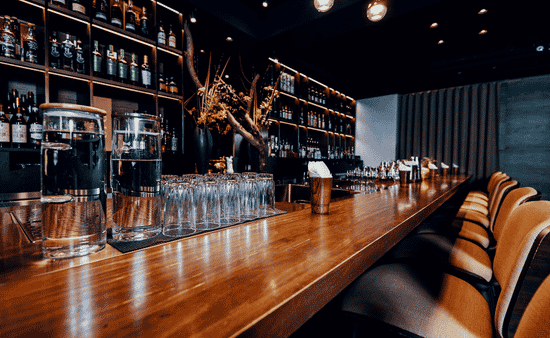
The foundation of any successful bar program is a comprehensive set of Standard Operating Procedures. These documents serve as the definitive guide for all operations, leaving little room for individual interpretation or error.
Precise Recipe Specification
Quality control begins with the standardization of every beverage offered. Each drink must have a documented recipe that specifies exact measurements, the order of assembly, and the required glassware. Using jiggers for every pour is a non-negotiable requirement for maintaining consistency.
Free-pouring, while often viewed as a sign of experienced flair, introduces unacceptable variables that can lead to inconsistent flavor profiles and inaccurate inventory tracking. By mandating the use of precision measuring tools, owners ensure that the balance of acidity, sweetness, and alcohol remains constant for every guest.
Garnishment and Presentation Standards
The visual appeal of a beverage is the guest’s first point of contact with the product. Quality control protocols should include detailed instructions on garnishment, including the size, freshness, and placement of fruit or herbs. Specifications must also extend to the type of ice used, as the dilution rate and aesthetic of a large clear cube differ significantly from standard pebble ice. A drink that looks different from the one served at the next table immediately signals a lack of professional oversight.
Inventory Management and Environmental Stewardship
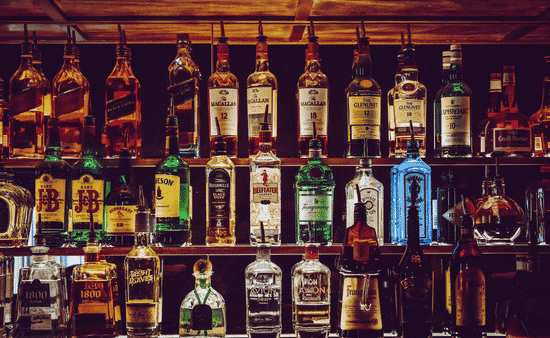
Properly managing the lifecycle of products is essential for both quality and financial health. This involves monitoring the journey of a bottle from the moment it enters the building until the final drop is poured.
Temperature and Climate Optimization
The storage environment is a critical factor in preserving the integrity of beverage products. Heat, light, and fluctuating humidity are the primary enemies of fermented and distilled liquids. While spirits are generally more resilient, wine and craft beer require specific conditions to prevent oxidation or spoilage.
For establishments located in regions with specific environmental challenges, it is vital to consult professional standards or local infrastructure solutions, such as wine storage in Hayward, to ensure that inventory is kept at stable, cool temperatures away from direct sunlight. Failure to maintain these conditions can result in “corked” or “skunked” products, leading to waste and guest dissatisfaction.
The First-In, First-Out (FIFO) Methodology
Utilizing the FIFO method is a fundamental inventory practice. By ensuring that older stock is used before newer shipments, bar owners minimize the risk of products exceeding their peak freshness. This is particularly important for vermouths, fortified wines, and fresh juices, which have a limited shelf life once opened. Any perishable item should be clearly labeled with the date of opening to ensure staff can identify and discard products that no longer meet quality benchmarks.
Equipment Maintenance and Sanitation Protocols
A bar is only as efficient as its equipment. Regular maintenance prevents mechanical failures and ensures that the flavor of the beverages is not compromised by unclean surfaces or malfunctioning components.
Draft System Integrity
Draft beer and wine systems are highly susceptible to bacterial growth and mineral buildup. To maintain quality, lines must be professionally cleaned at least every two weeks. This process removes yeast and “beer stone” which can cause off-flavors or excessive foaming.
Furthermore, the CO2 or nitrogen pressure must be monitored daily to ensure the carbonation levels remain within the intended specifications of the producer. A poorly maintained draft system is one of the most common sources of product waste and negative guest feedback.
Ice Machine Hygiene
Often overlooked, the ice machine is a critical piece of equipment that requires strict sanitation schedules. Because ice is technically a food product, the machine must be emptied, cleaned, and sanitized regularly to prevent the growth of mold or slime.
Contaminated ice not only poses a health risk but also imparts unpleasant odors and tastes to cocktails and soft drinks. Routine inspections of water filtration systems are also necessary to ensure that the base ingredient of every chilled drink is pure and neutral.
Staff Training and Sensory Evaluation

Even the most robust systems are ineffective without a trained team to execute them. Quality control is as much about human capital as it is about physical infrastructure.
Sensory Education and Palate Development
Management should conduct regular sensory training sessions for all bar staff. Employees must be able to identify common flaws in wine, beer, and spirits. This includes recognizing the vinegar-like smell of oxidized wine or the cardboard taste of light-struck beer. When staff are empowered with the knowledge to identify a sub-par product before it reaches the guest, they become the primary line of defense in the quality control chain.
Regular Audits and Performance Monitoring
Consistency should be verified through regular, unannounced audits. This can involve “blind” tastings of prepared cocktails or checking the temperature of refrigeration units during peak hours. Some owners utilize mystery shopping services to gain an objective perspective on the guest experience.
These audits should not be used as a tool for punishment, but rather as an opportunity for continuous improvement and retraining. Documenting these findings allows management to track trends over time and address systemic issues before they impact the establishment’s reputation.
Conclusion
Implementing comprehensive quality control measures requires a significant investment of time and attention to detail. However, the rewards for the restaurant bar owner are substantial.
By focusing on standardized recipes, rigorous inventory storage, meticulous equipment maintenance, and ongoing staff education, an establishment can ensure that every guest receives a premium experience. In an industry where word-of-mouth and online reviews can dictate success, the commitment to unwavering quality is the most effective marketing strategy available.

Ryo Nakamura
View More PostsRyo Nakamura covers gaming news, updates, and industry trends. His writing keeps the community informed about new releases, patches, and competitive shifts, offering clear context and insight into how changes impact gameplay and the broader gaming landscape.